Wild Comfort in the Julian Alps

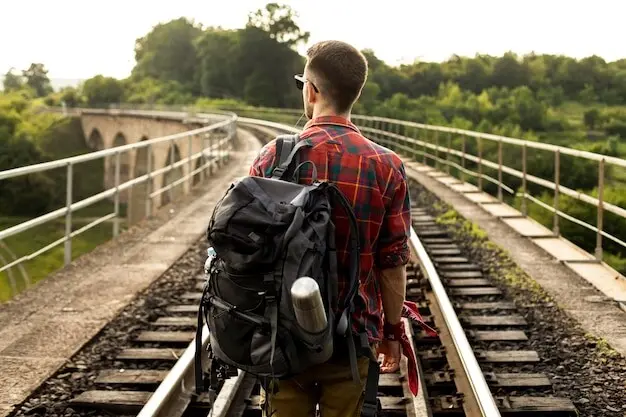
We’re exploring Eco-Stays and Mountain Homesteads: Sustainable Lodging in the Julian Alps, where high ridgelines meet thoughtful hospitality. Learn how chalets, family farms, and shepherd cabins reduce impact through renewable energy, careful water use, and local food, while giving hikers, skiers, and dreamers deeper quiet, warmer welcomes, and truly restorative nights beneath Triglav’s star-bright skies.

Finding Your Alpine Base

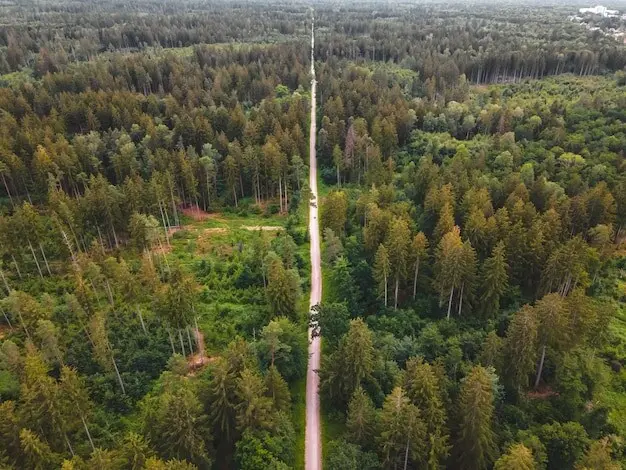
From Bohinj’s still waters to the windy switchbacks of the Vršič Pass, the Julian Alps offer a spectrum of places to settle in gently and sleep responsibly. Compare solar-powered chalets tucked among spruce, family homesteads with working gardens, and rustic huts on high pastures that open seasonally. Look for energy transparency, smart insulation, rainwater systems, recycling stations, and local sourcing policies, then match them with your trail plans, comfort needs, mobility, and the kind of dawn you hope to meet outside your door.

Getting There, Leaving Only Footprints

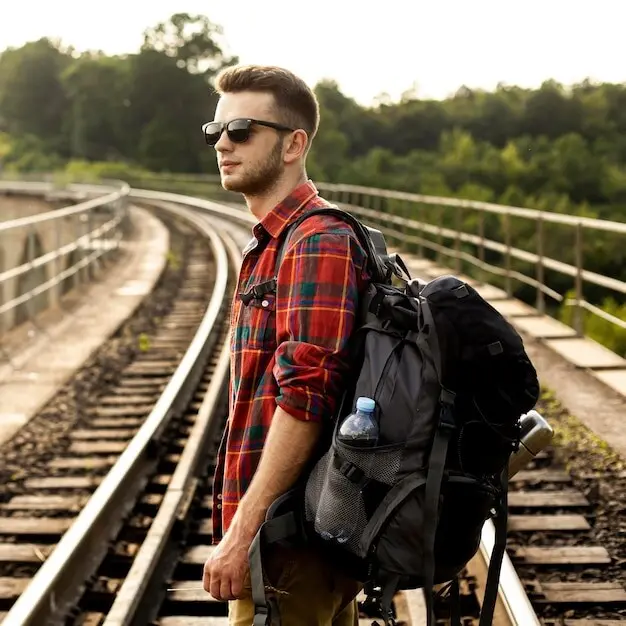
Arrivals shape impacts, so begin with gentle movement. Trains and buses knit Ljubljana to Jesenice, Bled, Bohinj, and valleys feeding the Soča River, while local lines bridge the final kilometers with patience and mountain views. Pair transit with e-bikes, shared rides, and deliberate pacing, then choose lodging near trailheads to skip daily driving. With flexible timing and a willingness to wander, you’ll trade parking lots for larch shade, conversations, and the soft rhythm of boots on gravel.

Water, Waste, and Warmth

Mountain comfort flows from quiet systems you barely notice when they work: captured rain, filtered springs, compost turning slowly, and stoves breathing cleanly. Hosts invest in careful plumbing, low-flow fixtures, and airtight rooms, but guests complete the circle. Carry bottles to refill, sort recycling attentively, and burn wood only when needed. Small habits magnify quickly at elevation, where every liter of water, watt of heat, and hand-lifted bin matters more than you think.

Food From Nearby Fields and Forests

Trails, Ethics, and Quiet Joy

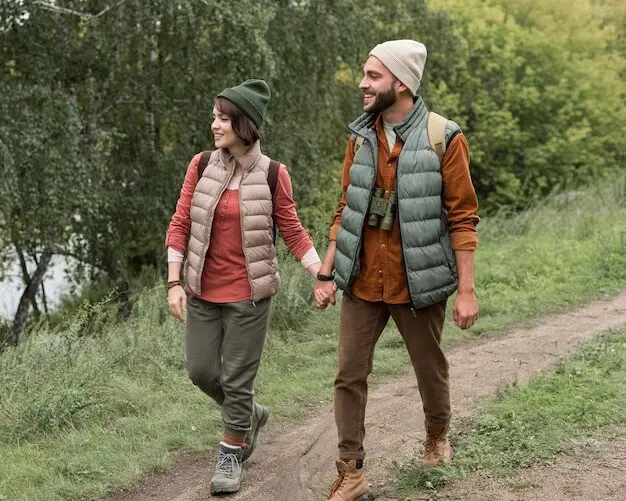
Paths lace the Julian Alps with options for every pace, from lakeside loops to airy ridges and karst moonscapes. Choose routes that match daylight, weather, and your legs, then move gently: keep voices low, step around wildflowers, and leave stones where they lie. Learn local greetings, close gates, and yield thoughtfully. The reward is subtle and lasting—wildlife undisturbed, neighbors content, and memories brightened by the knowledge that your footprints were kind ones.

Paths the Locals Love

Ask your hosts about favorite circuits on the Pokljuka plateau, the emerald Soča Trail, or quieter spurs near Kranjska Gora. They’ll know which forest roads thaw first, where larch turns burn brightest, and when snowfields still guard gullies. Carry a paper map, check waymarks, and budget time for weather to rearrange your ambitions. The best walks often unfold just beyond your door, where curiosity meets a well-placed wooden sign.

Respect for Pastures and People

Meadows are workplaces as much as postcards. Close gates carefully, give livestock generous space, and skirt muddy edges rather than carving new shortcuts. Move steadily around guardian dogs, keeping poles low and voices calm. Keep music off and greetings warm—“Dober dan” makes friends everywhere. Your care helps farmers continue seasonal rhythms, ensures trails remain welcome threads across private land, and preserves the mountain chorus of bells, wind, and quiet talk.

Safety in Sudden Weather

Storms build quickly over limestone towers, and wind finds every ridge. Start early, watch clouds, and accept turnarounds without pride. Pack layers, a headlamp, and spare snacks; consult hut wardens or hosts before committing to long traverses. Phone batteries fade in cold, so conserve power. When thunder speaks, descend into forest and wait. Safety is not a brake on adventure; it’s the compass that keeps all tomorrow’s hikes possible.

Real Stays, Real Voices

Stories carry truth across borders better than checklists ever could. A couple wakes near Kobarid to mist and the slow slice of a cheese knife; a family pedals above Bohinj as snowmelt sings; a solo traveler listens to larch creak near Vršič under rising stars. Each experience shows how small choices—sorting waste, choosing buses, borrowing maps—turn into lasting friendships and restorative nights that feel earned, respectful, and unforgettable.

Questions to Ask Before You Reserve

Clarify heating systems, insulation, and whether electricity comes from on-site renewables or a green tariff. Ask about water sources, drought routines, and waste separation. Inquire about bus stops, e-bike charging, and if linens can be skipped for shorter stays. Confirm quiet hours, wildlife guidance, and seasonality. A few thoughtful messages establish trust, align expectations, and signal that you will treat the place as carefully as those who care for it daily.

Packing for Light Impact

Build a kit that harmonizes with mountain rhythms: filter bottle, compact towel, headlamp with red mode, reusable containers, and layers that dry fast. Add slippers to protect floors, a small repair kit, and a notebook for maps and impressions. Leave bulky packaging at home, tuck trail snacks into cloth pouches, and bring a respectful curiosity. Your bag grows lighter while your readiness expands, making every decision on the path simpler and kinder.

Join the Conversation

Tell us what worked, what surprised you, and which homesteads felt like old friends you had not met yet. Share transit tips, trail moments, and recipes learned at long tables. Ask questions below, subscribe for upcoming route guides, and recommend places that welcome careful travelers. Community is our compass; your stories sharpen it beautifully. Together we can keep the Julian Alps generous, resilient, and full of nights worth traveling far to find.

Miralivonilo
Privacy Overview

This website uses cookies so that we can provide you with the best user experience possible. Cookie information is stored in your browser and performs functions such as recognising you when you return to our website and helping our team to understand which sections of the website you find most interesting and useful.